

DoxyPEP, Rising STI Rates, and What Gay Men Need to Know Right Now

The tools to protect gay and bi men's sexual health have never been better. The problem is getting that information to the people who need it: in time, in their language, and in the places they already are.
That's harder than it sounds. Last week, the European Centre for Disease Prevention and Control (ECDC) released 2024 surveillance data showing syphilis and gonorrhoea at their highest levels in over a decade across Europe, with gay and bisexual men continuing to bear a disproportionate burden.
Meanwhile, the prevention landscape is evolving faster than most public health communication can keep up with. The World Health Organization has now joined a growing number of public health agencies that recommend doxycycline post-exposure prophylaxis (DoxyPEP) — taken within 72 hours after sex to reduce risk of certain bacterial STIs — for gay and bi men at elevated risk. Emerging infections like TMVII (Trichophyton mentagrophytes type VII) are generating questions and anxiety across sexual networks in Europe and the U.S., while growing discussions around antimicrobial resistance are adding new complexity to conversations about STI prevention and long-term public health response.
But ensuring communities can meaningfully benefit from rapidly changing developments requires more than public health guidance alone. While public health institutions develop evidence-based recommendations, digital platforms like Grindr can help communities access timely information in ways that empower people to make informed decisions about their bodies, relationships, and health.
"We are entering a new era of sexual health prevention, where people have more tools than ever before to protect themselves and their partners," said Dr. Antons Mozalevskis, Technical Officer at the Department for HIV, Tuberculosis, Hepatitis and STIs at the World Health Organization. "But tools only matter if people can actually access clear, trusted, and non-judgmental information about them. Expanding access to comprehensive prevention options, alongside non-stigmatizing communication, is essential to helping LGBTQ+ communities make informed decisions about their sexual health and wellbeing."
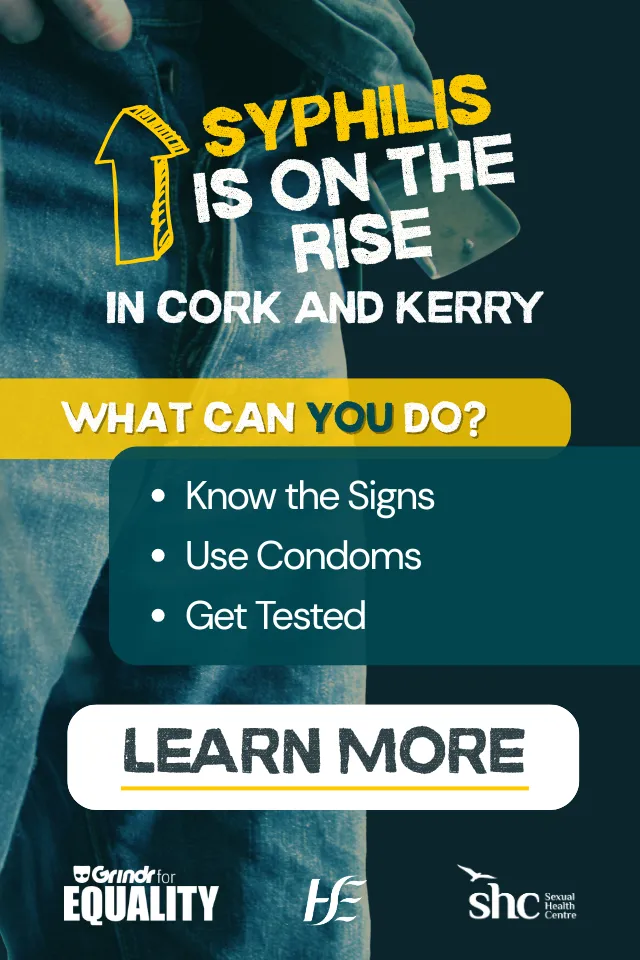
That's exactly where Grindr for Equality operates. When syphilis cases spiked in Ireland, we partnered with local organizations to push targeted awareness to gay and bi men on the ground. When TMVII raised understandable alarm, Grindr for Equality worked with Duke Global Health Institute to deliver evidence-based information directly to users via in-app campaigns: fast, specific, and stigma-free.
“Traditional public health campaigns often can’t keep up with how quickly modern sexual networks move, and guidance only works if it actually shapes what people do in real life,” said Dr Otilia Mardh, Medical Epidemiologist at ECDC. “By teaming up with platforms people already use and trust, we can go beyond static messages and meet people where they are, offering clear, evidence-based tools to help them make informed choices about their sexual health, exactly when it matters most.”
Grindr has always been a place where gay and bi men show up as their full selves. Timely, trusted, culturally relevant information lands differently when it's delivered in the spaces where your community already connects, and as the sexual health landscape keeps evolving, it's the one that works.





.jpg)


